
Artificial intelligence supports the financial risk management of the shipbuilding network
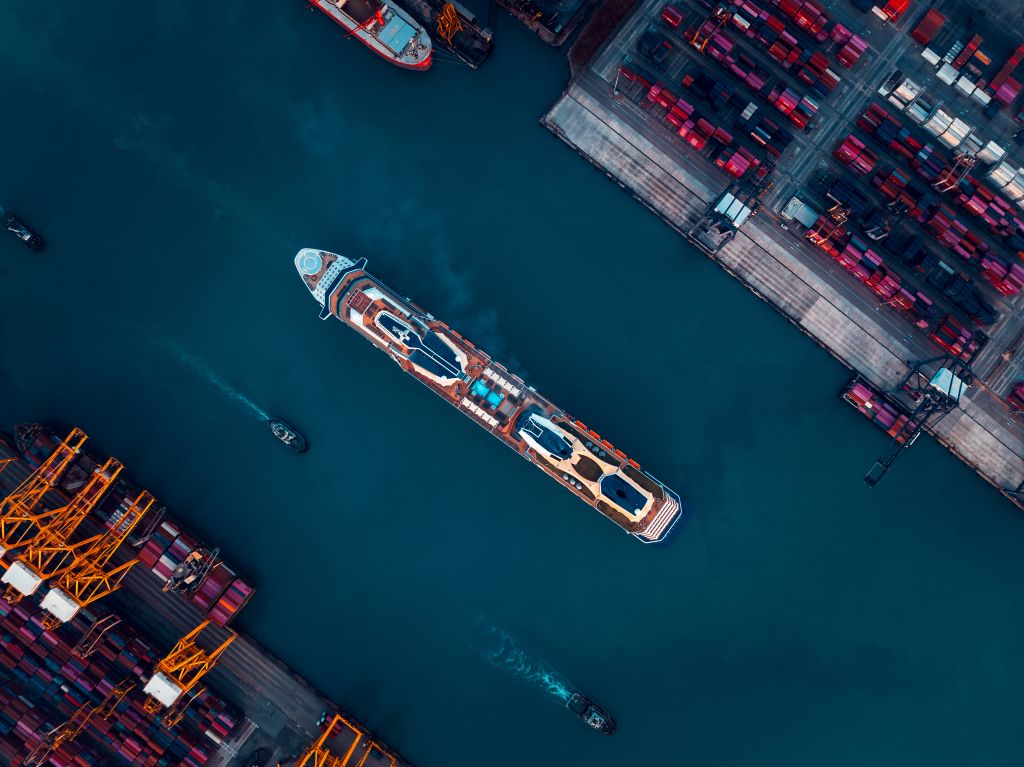
Shipbuilding is not the activity of a single company, but an extensive and international network in which shipyards, turnkey suppliers and even thousands of subcontractors work in tightly scheduled projects. In multi-year projects, the financial difficulties of an individual subcontractor can quickly be reflected in the entire network: deliveries are delayed, costs increase and project risks are realised. Therefore, anticipating the financial situation is a key part of operational risk management.
In a recent thesis related to the S4M project, several artificial intelligence models were compared to predict the bankruptcy and financial distress risk of small and medium-sized enterprises based on financial indicators. The data used was open-source Polish company bankruptcy data. The results showed that modern machine learning models – especially XGBoost – offer predictive support that is more responsive than traditional methods (Figure 1).
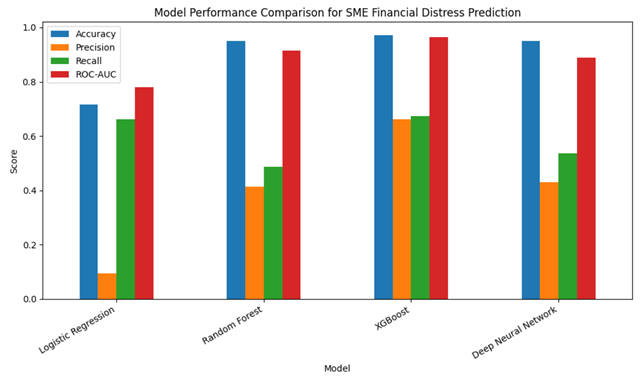
Figure 1. Results of a comparison of four AI models.
However, more important than a single algorithm is how these models can be used in practical decision-making in the shipbuilding network. From the perspective of a shipyard or a large KT supplier, AI-based financial monitoring can act as an early warning system. Publicly available financial statements and data accumulated during long-term supplier relationships can be used to continuously assess the financial sustainability of subcontractors. The forecast model does not replace the traditional supplier assessment, but it does add a
temporal dimension to it: the direction in which the company’s financial situation is developing, for example, in the next 12–36 months. This is especially valuable in projects where the failure of one critical supplier can jeopardize the entire supply chain.
The study found that financial risk is not explained by a single indicator. Instead, profitability, liquidity and cost-effectiveness together form a set of signals based on which an increase in risk can be identified in time. For example, the ability to cover financial expenses with operating profit emerged as the most important predictive factor (variable A27 operating profit per financial expense in the dataset). This is relevant in the shipbuilding network, as many subcontractors may have capital-intensive investments and are sensitive to interest costs. The next most important indicators were A46 (Quick Ratio) and A5 (cash-to-expenses ratio), which highlight the key role of liquidity and cash management in determining the risk of financial distress. The key figure A58 (total costs / total sales) is associated with a higher predicted risk of financial distress. This finding confirms that an inefficient cost structure significantly reduces a company’s financial performance and stability.
The value of explainable AI methods (XAIs), such as SHAP and LIME, is emphasized in the practical application of AI. These are methods that can be used to explain AI decision-making, as described above about the weight and importance of different variables in the entire model. From the perspective of companies, for example, the risk score of a supplier’s financial situation is not enough for the customer’s procurement organisation or the subcontractor itself. The explainable AI transforms a complex forecasting model into a transparent tool that shows, for example, whether the problem is in cash management, cost structure or indebtedness, and thus answers the question of why financial risk is on the rise.
The same approach will also benefit the SME itself. The management of a small business often does not have access to advanced analytics, but AI-based KPI monitoring can act as a digital financial mirror. The company can see in time which financial factors weaken its position in the eyes of customers and financiers – and what measures should be taken before the problems escalate.
From the perspective of the S4M project, AI-based financial foresight should not be a separate analytics experiment, but part of sustainable supplier network management. When financial risks are identified early and can be justified transparently, the resilience of the entire shipbuilding network improves. This will benefit both large players and SMEs – and ultimately the entire industrial ecosystem.
Author: Kimmo Tarkkanen
Knowledge Management for Human Performance (KM4HP) Research Group
Sources:
Ranatunga Arachchilage Inoka Jeevani. 2026. Predicting SMEs’ Financial Condition Using Explainable AI. Bachelor’s Thesis. Turku University of Applied Sciences. https://www.theseus.fi/handle/10024/914577